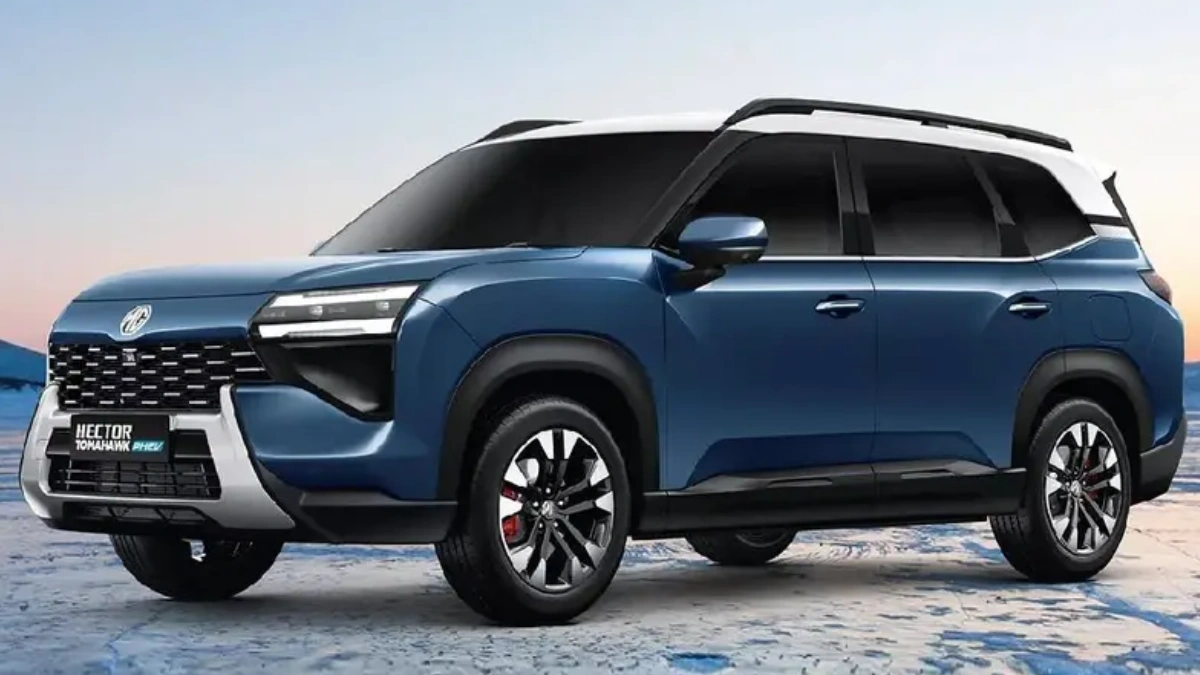
The MG Hector Tomahawk EV and its plug-in hybrid counterpart are aimed at buyers looking for a spacious, technology-focused SUV, but their powertrain philosophies are very different. The EV prioritizes lower running costs and quiet city driving, while the PHEV combines electric driving with a petrol engine for longer journeys.
For buyers considering the Mg Hector Tomahawk Phev Price, the key question is whether the additional upfront cost delivers enough practical benefits to justify the premium.
Price Difference Between EV and PHEV
The outright ex-showroom price difference between the two versions is around ₹6.20 lakh. The EV starts at approximately ₹19.49 lakh, while the PHEV is priced from around ₹25.69 lakh.
Both versions are also available with MG’s Battery-as-a-Service model. Under BaaS, the EV starts at around ₹13.99 lakh with a battery rental of ₹4.90 per km, while the PHEV starts at around ₹21.79 lakh with a lower battery rental of approximately ₹3.20 per km.
Why the PHEV Makes a Strong Case
The biggest advantage of the plug-in hybrid setup is flexibility. The SUV combines a 1.5-litre petrol engine with a 20.5 kWh battery, allowing it to cover more than 1,100 km using both power sources.
Its claimed electric-only range of around 115 km can cover a large portion of daily urban journeys without requiring petrol. This makes the PHEV particularly appealing to buyers who want electric driving for regular commutes but do not want to depend entirely on charging infrastructure.
The hybrid system also claims fuel efficiency of more than 40 kmpl under combined operating conditions.

Why the Tomahawk EV Could Be the Smarter Buy
The Mg Hector Tomahawk Ev offers a significantly lower entry price and eliminates petrol expenses altogether. Its 69.2 kWh battery provides a claimed MIDC range of 517 km, although real-world highway and city range will depend on driving conditions.
For buyers who primarily drive within the city and have access to convenient home charging, the EV can provide considerably lower everyday running costs.
Another advantage is seating flexibility. The EV can be configured with either five or seven seats, giving buyers more choice depending on their family requirements.
PHEV or EV: Which One Fits Your Lifestyle?
The PHEV makes more sense for buyers who regularly travel long distances, frequently drive on highways, or live in areas where public charging infrastructure is limited.
The EV is better suited to buyers whose daily driving is predominantly urban and who have reliable access to home charging. The lower purchase price also leaves a substantial amount of money available for other expenses.
Where Does the Hybrid Fit In?
The Mg Hector Tomahawk Hybrid concept sits between conventional petrol-powered SUVs and fully electric vehicles. Its ability to operate using electric power for shorter journeys while retaining a petrol engine for longer trips gives it an advantage for buyers who want greater flexibility.
The trade-off is the higher initial purchase price compared with the EV.
Market Positioning
The MG Hector Tomahawk lineup is aimed at buyers who want a spacious seven-seat SUV with modern electrified powertrain choices. The EV focuses on affordable electric ownership and low running costs, while the PHEV targets customers who prioritize long-distance flexibility and reduced range anxiety.
AutoXRoom Verdict
The PHEV’s ₹6 lakh-plus premium can make sense for buyers who frequently undertake long highway journeys or do not have dependable charging access. Its electric-only capability and petrol backup provide excellent flexibility.
However, for city-focused buyers with home charging, the MG Hector Tomahawk EV remains the more economical choice. The final decision should depend less on the headline price difference and more on annual driving distance, charging availability, and how often long-distance travel is required.