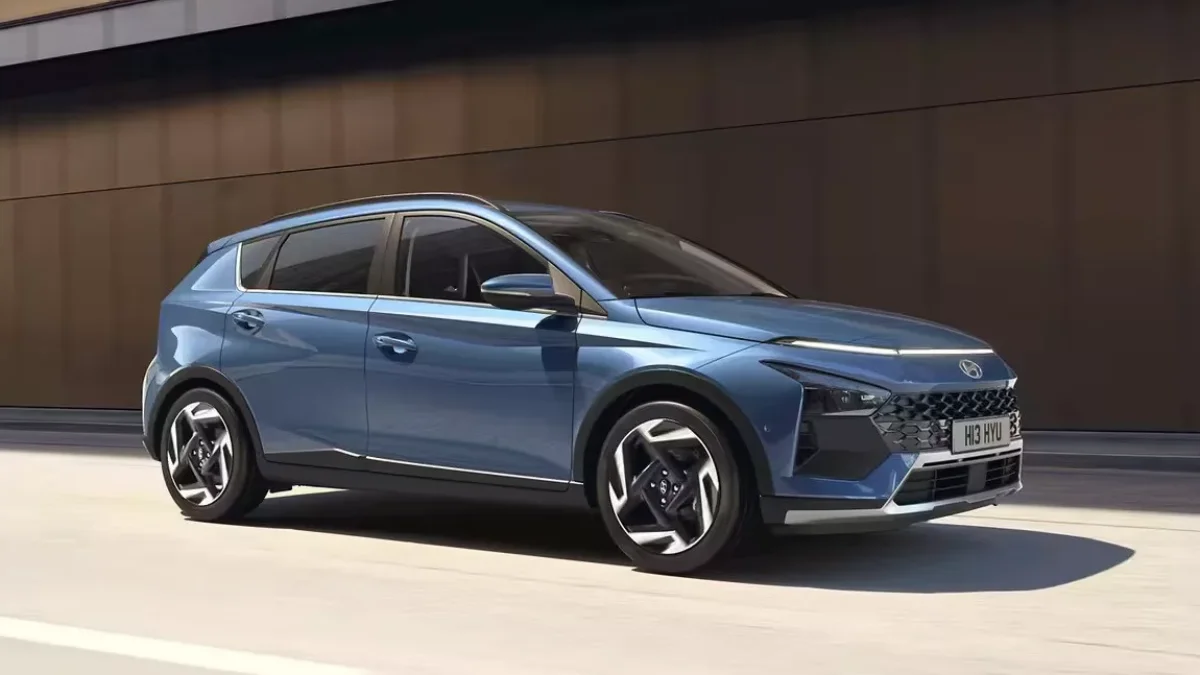
The Hyundai Bayon has revealed more of its cabin features ahead of its India launch on October 26, 2026. The latest images highlight a panoramic sunroof, a premium rear-seat layout and additional comfort features that could make Hyundai’s upcoming SUV an attractive option for families.
Positioned between the Venue and Creta in Hyundai’s India lineup, the new Hyundai Bayon 2026 is expected to combine modern styling, a technology-rich interior and practical cabin space. The newly revealed rear-seat package includes rear AC vents, a centre armrest and 60:40 split-folding rear seats. A powered driver’s seat and panoramic sunroof are also visible in the images.
Hyundai Bayon Rear Seat Features Revealed
The rear cabin of the Hyundai Bayon features a dual-tone black-and-white colour scheme, giving it a more premium appearance. The rear-seat arrangement focuses on passenger comfort and everyday practicality.
Key highlights include rear AC vents for improved airflow, a centre armrest for added comfort and 60:40 split-folding rear seats to provide flexibility when carrying luggage. These features should make the Bayon suitable for both daily commuting and longer family journeys.
The showcased cabin is expected to represent the fully loaded HX10 variant, with manual and automatic transmission options anticipated for the range.
Panoramic Sunroof and Powered Driver’s Seat
One of the biggest highlights of the latest reveal is the panoramic sunroof. This feature can make the cabin feel more open and improve the sense of space for both front and rear passengers.
The images also reveal an electrically adjustable driver’s seat, which allows the driver to find a more comfortable seating position. These additions suggest that Hyundai is focusing on premium comfort features to distinguish the Bayon from smaller SUVs.
The availability of these features will depend on the final variant-wise equipment list announced at launch.
Hyundai Bayon Interior and Technology
The Bayon gets a modern dashboard with two 12.3-inch displays, one serving as the infotainment touchscreen and the other as the digital instrument cluster. The layout brings navigation, vehicle information and entertainment functions together in a contemporary interface.
Other expected features include ventilated front seats, a 360-degree camera, an electric sunroof and Type-C USB ports. Hyundai has also highlighted a generative AI voice assistant that uses Perplexity for responses and SoundHound AI for voice processing.
This technology could allow occupants to interact with selected vehicle functions and access information through conversational voice commands, subject to the system’s supported capabilities.
Hyundai Bayon Engine and Transmission
The India-spec Hyundai Bayon is expected to launch with a 1.5-litre naturally aspirated petrol engine borrowed from the Creta. The engine is paired with a six-speed manual gearbox or an Intelligent Variable Transmission (IVT), Hyundai’s continuously variable automatic transmission.
| Specification | Hyundai Bayon |
|---|---|
| Engine | 1.5-litre naturally aspirated petrol |
| Maximum power | 113 bhp |
| Maximum torque | 144 Nm |
| Manual gearbox | 6-speed |
| Automatic gearbox | IVT |
| Fuel type | Petrol |
The naturally aspirated engine is expected to focus on everyday usability and smooth power delivery rather than outright performance. Hyundai has not indicated that a diesel or turbo-petrol engine will be available at launch.

Hyundai Bayon Exterior Design
The new Bayon follows Hyundai’s latest design direction, with a distinctive front fascia and sharp body detailing. Its split-headlamp arrangement places the main headlight units lower on the bumper, while a full-width daytime running light signature gives the front a recognisable appearance.
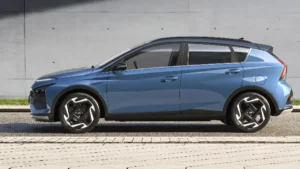
The SUV also features squared-off wheel arches, pixel-style alloy wheels, roof rails and vertically oriented rear lighting. The overall design aims to give the Bayon a bold road presence while keeping it smaller than the Creta.
Its positioning between the Venue and Creta should appeal to buyers who want a compact SUV with a more spacious and feature-rich feel.
Hyundai Bayon Launch Date, Booking and Expected Price
Hyundai has scheduled the Bayon’s India price announcement for October 26, 2026. Bookings have opened with a reported token amount of ₹11,000 through dealerships and Hyundai’s official booking channels.
The SUV is expected to be positioned below the Creta, with industry estimates suggesting a starting price of around ₹10 lakh ex-showroom. The final price, variant lineup and detailed feature distribution will be confirmed at launch.
| Details | Information |
|---|---|
| Model | Hyundai Bayon |
| India launch and price announcement | October 26, 2026 |
| Booking amount | ₹11,000 |
| Expected starting price | Around ₹10 lakh, ex-showroom |
| Engine | 1.5-litre petrol |
| Positioning | Between Venue and Creta |
The expected price is not an official final figure. Buyers should wait for Hyundai’s announcement before comparing exact variant prices.
Hyundai Bayon Rivals in India
The Hyundai Bayon is expected to compete with several feature-rich SUVs, including the Maruti Suzuki Victoris, Maruti Suzuki Grand Vitara, Tata Sierra and Honda Elevate. Depending on its final pricing, buyers may also compare it with the Hyundai Creta and other SUVs in the segment.
The Bayon’s panoramic sunroof, dual-screen dashboard, ventilated front seats and generative AI voice assistant could help it stand out. However, the final buying decision will also depend on pricing, rear-seat space, fuel efficiency and the features offered in each variant.
Market Positioning: A Feature-Rich SUV for Modern Families
The Hyundai Bayon 2026 is shaping up to be a technology-focused SUV aimed at buyers who want premium features without moving to a larger vehicle. The panoramic sunroof and rear-seat comfort equipment add to its family-friendly appeal, while the dual 12.3-inch displays give the cabin a modern feel.
Its position between the Venue and Creta could help Hyundai attract customers seeking a middle ground between a compact urban SUV and a larger family vehicle.
AutoXRoom Verdict: Rear-Seat Comfort Adds to the Bayon’s Appeal
The latest Hyundai Bayon reveal highlights a panoramic sunroof, rear AC vents, a centre armrest and flexible 60:40 split-folding rear seats. Combined with the dual-screen dashboard, ventilated front seats and 1.5-litre petrol engine, the SUV appears focused on everyday comfort and technology.
The next major detail will be its official pricing and variant-wise feature list on October 26. If Hyundai prices the Bayon competitively, it could become an appealing alternative for buyers looking for a modern, well-equipped SUV for family use.