
Citroen has brought back one of its most iconic car names with the unveiling of the Citroen 2CV Concept at the Paris Motor Show 2026. The new concept reimagines the legendary classic as a compact electric car, combining retro-inspired styling with modern technology and a strong focus on affordability.
The original Citroen 2CV became famous for making personal mobility accessible to ordinary people. The new concept aims to carry that philosophy into the electric era, with a production version planned for 2028. Citroen is targeting a starting price of around €15,000, positioning the upcoming EV as an accessible option for European buyers.
Citroen 2CV Concept: Key Highlights
The new Citroen 2CV electric concept combines a compact body, distinctive styling and a minimalist cabin. Unlike many modern concept cars designed mainly to showcase futuristic technology, this model focuses on practical urban mobility and keeping costs under control.
| Feature | Citroen 2CV Concept |
|---|---|
| Body style | Compact electric hatchback |
| Length | 3.76 metres |
| Powertrain | Fully electric |
| Expected production | 2028 |
| Target starting price | Around €15,000 |
| Manufacturing | Planned in Europe |
| India launch | Not confirmed |
The price and launch timeline are targets for the future production model, not final retail specifications. Citroen has not yet disclosed the complete technical details of the production-ready car.
Retro Exterior Design With a Modern Twist
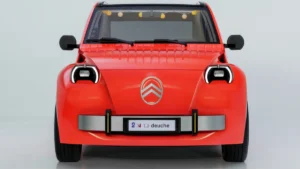
The biggest attraction of the new Citroen 2CV Concept is its design. The front end features round headlamps, distinctive LED lighting and a sculpted bonnet that recalls the character of the original car. Its friendly front appearance gives the concept a recognisable identity without simply copying the historic model.
The side profile features four doors, rounded bodywork and distinctive wheels inspired by the original 2CV. Its compact dimensions should make it well suited to narrow urban streets and crowded parking spaces.
At the rear, the flowing roofline and contrasting black design elements create a more contemporary appearance. The concept retains the cheerful personality of the classic car while using modern proportions and lighting details.
Minimalist Interior With Practical Features
The cabin continues the theme of simplicity, with a colourful dashboard and a clean overall layout. Citroen has included a central screen for modern infotainment functions while keeping the interior design playful rather than overly complicated.
One distinctive element is the picnic-basket-inspired centre console, which includes a cup holder. The fabric sunroof is another design detail that pays tribute to the original 2CV’s practical, open-air character.
The interior is intended to offer a comfortable and connected environment without adding unnecessary complexity. The final production model may differ from the concept in its materials, equipment and layout.

Battery, Motor and Driving Range
Citroen has not announced the final battery capacity, electric motor output, charging speed or official driving range for the Citroen 2CV EV.
Given its compact size and affordability target, the production car is expected to prioritise efficient city driving over high performance. However, estimates about its battery configuration, front-wheel-drive layout and potential driving range should not be treated as confirmed specifications until Citroen releases official details.
The company’s main objective is to make electric mobility more accessible through a small, practical and relatively affordable vehicle. Keeping the battery and overall vehicle weight under control could be important to achieving that goal.
Expected Price and Launch Timeline
Citroen is targeting a starting price of approximately €15,000 for the production model, which is expected to arrive by 2028. The vehicle is planned to be manufactured in Europe and developed around upcoming European E-Car regulations.
If Citroen meets its pricing target, the new 2CV could appeal to first-time EV buyers, urban commuters and households looking for a smaller second car. Its success will depend on the final battery range, equipment levels, charging capability and the price of the production version.
Citroen has not announced an India launch timeline or India-specific pricing. The concept is currently focused on affordable electric mobility in Europe.
Why the Citroen 2CV Name Matters
The original Citroen 2CV was introduced in 1948 and became a symbol of simple, practical transportation. Its lightweight construction, distinctive shape and accessible design helped it build a lasting reputation before production ended in 1990.
The new concept does not attempt to reproduce the old car mechanically. Instead, it reinterprets the original philosophy for a market increasingly focused on electric vehicles, urban convenience and affordability.
This approach could help Citroen stand apart from electric cars that focus primarily on large batteries, high performance and premium technology.
Market Positioning
The Citroen 2CV Concept is intended to sit in the affordable end of the European electric-car market. Its compact dimensions, retro styling and targeted price could make it an alternative to more conventional small EVs.
It also arrives at a time when European manufacturers are working to counter competition from lower-priced electric vehicles. A distinctive design combined with a practical price could give Citroen an advantage, provided the production model delivers the expected usability and value.
AutoXRoom Verdict
The Citroen 2CV Concept is an interesting revival of a classic name, but its biggest promise is not nostalgia alone. It aims to bring the original 2CV’s philosophy of accessible mobility into the electric era.
The compact 3.76-metre body, colourful minimalist cabin and targeted price of around €15,000 make it worth watching ahead of its planned 2028 arrival. The final verdict will depend on the production car’s real-world range, charging performance, safety equipment and final price.
For now, the concept offers a clear preview of Citroen’s vision for a small, characterful and more affordable electric car.