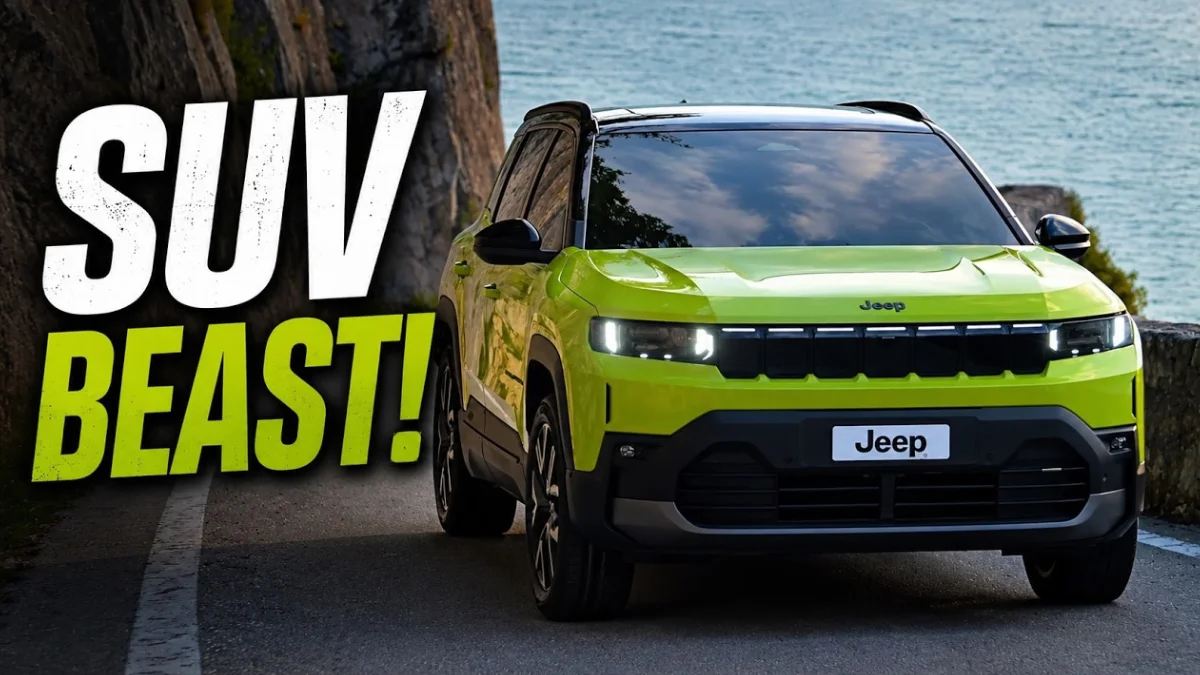
Jeep could be preparing a new mid-size SUV for India using the Tata Sierra’s ARGOS platform, marking an important development in the expanded partnership between Tata Motors Passenger Vehicles and Stellantis. The upcoming model is expected to help Jeep compete in a more affordable segment while retaining the distinctive design and driving character associated with the brand.
Reports suggest that the SUV, internally codenamed J1J, could arrive in the first half of 2028. Both internal-combustion engine and electric versions are reportedly planned, although the final specifications and launch details have not been officially announced.
Jeep SUV Based on Tata Sierra Platform
The new Jeep SUV based on the Tata Sierra platform is expected to be among the important products emerging from the expanded Tata Motors–Stellantis collaboration. The agreement extends their existing relationship beyond manufacturing into vehicle technology, platforms and product development.
Instead of developing an entirely new architecture, Jeep could use Tata’s ARGOS platform as the foundation for its upcoming SUV. This approach could help reduce development costs and make local production more competitive.
The vehicle is expected to have its own identity rather than simply being a rebadged Tata Sierra. Jeep is likely to develop a distinct exterior design, interior layout and suspension tuning to maintain the brand’s character.

What Is the Tata Sierra’s ARGOS Platform?
The ARGOS platform, short for All-Terrain Ready, Omni-Energy and Geometry Scalable, is Tata Motors’ modular vehicle architecture introduced with the Sierra. It has been designed to support mid-size SUVs and different powertrain configurations.
One of its key advantages is its ability to accommodate internal-combustion and electric powertrains. The architecture is also designed to support all-wheel-drive configurations, which could be important for a Jeep model intended to offer the brand’s familiar SUV capability.
Using this platform could give Jeep a suitable foundation for an India-focused product without the expense and time required to create a completely new architecture from scratch.
Expected Engine and Electric Powertrain Options
The upcoming Jeep SUV is reportedly being planned with both conventional engine and electric powertrain options. Reports indicate that it could share some powertrain technology with the Tata Sierra, but the final engine lineup and output figures remain unconfirmed.
A petrol version could help Jeep reach buyers looking for a practical family SUV, while an electric variant could allow the brand to expand its presence in India’s growing electric vehicle market.
The ARGOS platform’s multi-powertrain capability could also provide flexibility for future versions. However, details such as battery capacity, driving range, charging speed, gearbox options and performance figures have not yet been officially confirmed for the Jeep model.
Expected Features and Design
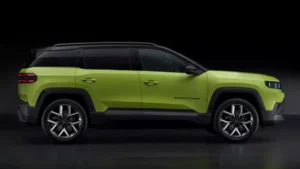
The new SUV is expected to feature Jeep-specific styling, including a distinctive front design, a unique cabin and brand-specific driving characteristics. Although the underlying platform may be shared with the Tata Sierra, the two vehicles are expected to look and feel different.
Modern infotainment technology, connected-car features, digital displays and advanced driver assistance systems could be considered for the model, depending on the final variant lineup. The platform’s modern electrical architecture may support several of these technologies, but the equipment list has not been announced.
Jeep’s challenge will be to offer the comfort and convenience expected from a family SUV while maintaining the rugged appeal that distinguishes the brand from mainstream competitors.
Expected Price and Launch Timeline
The new Jeep SUV is reportedly targeted for launch in the first half of 2028. Its final name, variant structure and pricing have not yet been announced.
Positioning the model below the Jeep Compass could help the company appeal to buyers who want Jeep styling and brand appeal without moving into a more expensive segment. However, the final positioning and price will depend on the production specification, localisation and equipment offered.
| Detail | Expected information |
|---|---|
| Model | Upcoming Jeep mid-size SUV |
| Internal codename | J1J, as reported |
| Platform | Tata ARGOS |
| Powertrain options | Petrol/ICE and electric versions reportedly planned |
| Expected launch | First half of 2028 |
| Potential rivals | Hyundai Creta and Kia Seltos |
| Price | Not announced |
| India production | Planned under the Tata–Stellantis collaboration; final model details awaited |
The timeline and product details above are based on media reports, not a complete official vehicle announcement.
Hyundai Creta and Kia Seltos Could Be Key Rivals
If Jeep positions the new SUV in the mainstream mid-size segment, the Hyundai Creta and Kia Seltos could become important competitors. Both models have established themselves among buyers looking for a combination of comfort, technology, everyday usability and multiple powertrain choices.
Jeep could differentiate its offering through distinctive styling, SUV-focused engineering and the availability of an electric version. Competitive pricing will be crucial, however, because buyers in this segment often compare features, ownership costs, fuel efficiency and after-sales support before making a decision.
The new model could also help Jeep reach customers who find the Compass too expensive for their budget. Whether it can challenge established rivals will depend on the final price, equipment and driving experience.
How the Tata–Stellantis Partnership Could Help
The expanded partnership between Tata Motors Passenger Vehicles and Stellantis creates opportunities to share vehicle architecture and technology while using manufacturing capabilities in India. The companies have also outlined ambitions to develop vehicles for more than 50 global markets.
For Tata Motors, the collaboration could expand the use of its vehicle technology. For Stellantis, it could provide access to a locally developed platform and help improve the competitiveness of future products.
The potential Jeep SUV could therefore be significant beyond India, with reports indicating that export markets are also part of the programme.
Market Positioning
The upcoming Jeep SUV could give the brand a stronger presence in India’s high-volume mid-size SUV segment. Using the Tata Sierra’s ARGOS platform may help manage development costs, while separate Jeep styling and engineering could preserve the brand’s identity.
Its success will largely depend on pricing, powertrain choices, features and the driving experience offered in the final production model. A competitive petrol version and a well-equipped electric variant could broaden its appeal.
AutoXRoom Verdict
A new Jeep SUV based on Tata Sierra’s platform could become an important addition to the Indian market. The combination of Tata’s platform technology and Stellantis’ product-development expertise offers a potentially practical route to a more accessible Jeep.
However, buyers should wait for official confirmation of the vehicle’s name, specifications, price and launch date before drawing conclusions. If Jeep delivers the right combination of capability, technology and value, the upcoming SUV could provide a fresh alternative to established mid-size SUVs such as the Hyundai Creta and Kia Seltos.