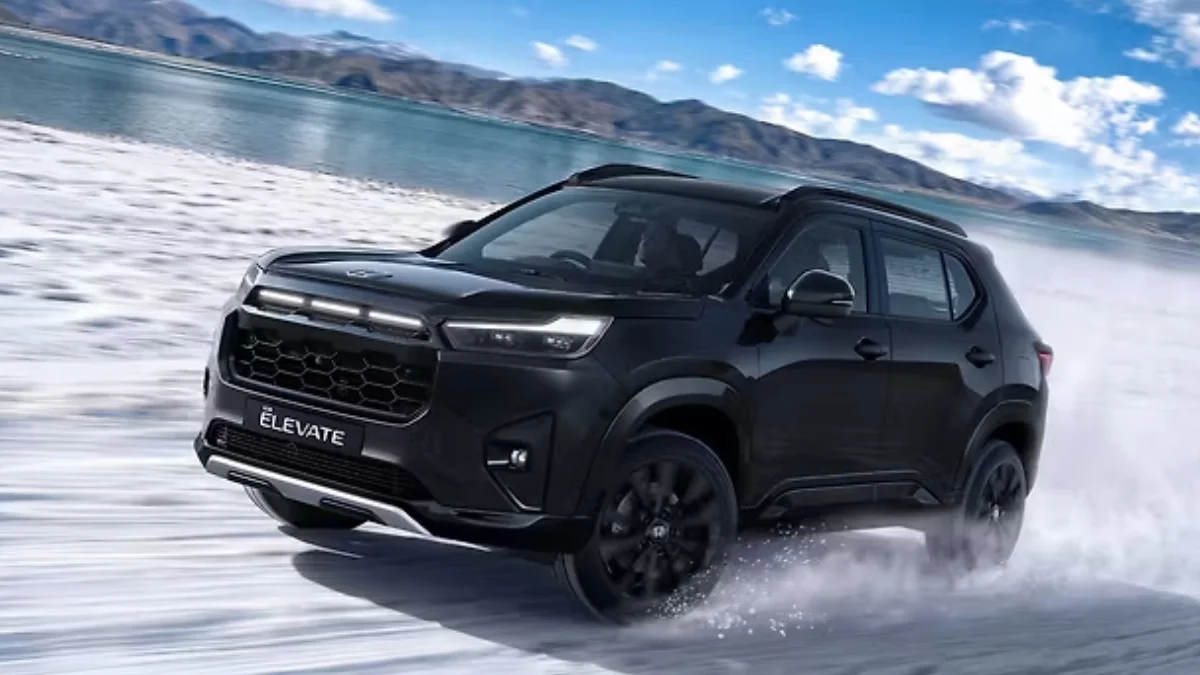
The 2026 Honda Elevate facelift has arrived in India with a sharper exterior design, a more premium cabin and several features that were missing from the earlier model. Priced from ₹11.80 lakh to ₹18.40 lakh (ex-showroom), the updated SUV aims to become a stronger contender in the competitive midsize SUV segment.
However, while Honda has addressed some long-standing complaints, the facelift retains the same petrol engine and does not introduce a hybrid or other powertrain options. Here is a closer look at the major hits and misses of the new Honda Elevate.
Honda Elevate Facelift: Price and Key Details
| Detail | Information |
|---|---|
| Starting price | ₹11.80 lakh |
| Top-spec price | ₹18.40 lakh |
| Engine | 1.5-litre naturally aspirated petrol |
| Maximum power | 121 PS |
| Peak torque | 145 Nm |
| Gearbox options | 6-speed manual and CVT |
| Fuel type | Petrol |
| Key additions | Ventilated seats, powered front seats, 360-degree camera |
All prices are ex-showroom. Specifications are based on Honda’s published information.

Hits: What the Honda Elevate Facelift Gets Right
1. Ventilated Front and Rear Seats Improve Comfort
One of the biggest improvements is the addition of ventilated front and rear seats. The previous Elevate missed out on seat ventilation, which had become an important comfort feature for buyers in this segment.
The addition is particularly useful in hot Indian weather, where ventilated seats can make longer journeys more comfortable. With this update, Honda has addressed a clear weakness in the earlier model and improved the Elevate’s premium appeal.
2. Power-Adjustable Front Seats Add a Premium Touch
The facelift also introduces power-adjustable front seats, with an eight-way adjustment for the driver and four-way adjustment for the front passenger. This makes it easier to find a comfortable seating position and gives the cabin a more upmarket feel.
For buyers upgrading from a hatchback or compact SUV, these additions can make the Elevate feel more sophisticated during everyday use.

3. The 360-Degree Camera Makes Parking Easier
Honda has added a 360-degree surround-view camera, which gives drivers a better view of the area around the vehicle. This can be especially helpful when parking in tight spaces, navigating crowded streets or manoeuvring around obstacles.
The facelift also brings front parking sensors, an electric parking brake with auto-hold and additional convenience equipment. These upgrades help make the Elevate easier to use in everyday urban driving.
4. Updated Cabin Design and Connected Rear Lighting
The new Elevate gets a dual-tone ivory-and-black cabin, premium leather upholstery, gloss-black detailing and orange ambient lighting. These changes give the interior a fresher appearance while retaining the model’s practical layout.
On the outside, the redesigned mesh grille, tri-bar LED position lights, gloss-black styling elements and full-width connected rear LED tail lamp create a more distinctive look. A new Nordic Forest Pearl paint option adds another choice for buyers.
5. The Familiar Petrol Engine and Gearbox Options Remain
Honda has retained its 1.5-litre i-VTEC naturally aspirated petrol engine, which produces 121 PS and 145 Nm. Buyers can choose between a six-speed manual gearbox and a CVT automatic with paddle shifters.
Keeping the existing powertrain means buyers do not have to adjust to a completely new engine-and-gearbox combination. The facelift also retains the Elevate’s focus on everyday usability rather than introducing a more complicated mechanical package.
Misses: Where the Honda Elevate Facelift Falls Short
1. The New Exterior Design May Not Appeal to Everyone
Although the facelift looks bolder, the redesigned front end may divide opinion. The new grille and three-bar lighting treatment give the SUV a different identity, but styling remains subjective.
The overall silhouette is still familiar, so buyers expecting a completely new-generation design may find the changes relatively limited. The updated look is a clear evolution rather than a ground-up redesign.
2. No Diesel, CNG or Turbo-Petrol Engine Options
The biggest limitation remains the lack of powertrain variety. The Honda Elevate facelift continues with a single 1.5-litre naturally aspirated petrol engine, while several rivals offer different fuel or engine configurations.
Some buyers may prefer diesel for frequent highway driving, CNG for lower running costs or a turbo-petrol engine for stronger performance. Honda has not introduced any of these alternatives with the facelift, which limits the number of buyer requirements the Elevate can satisfy.
3. A Strong-Hybrid Version Is Still Missing
Honda already offers strong-hybrid technology in the City, but the same type of powertrain has not been introduced in the Elevate facelift.
A hybrid version could have given the SUV a stronger selling point for customers prioritising fuel efficiency, particularly in city traffic. With the facelift retaining its petrol-only setup, buyers looking specifically for a hybrid midsize SUV will need to consider alternatives.
This is arguably the most significant missed opportunity because the update improves comfort and convenience but does not fundamentally change the Elevate’s powertrain proposition.
Features and Safety: A More Complete Package
Beyond the headline upgrades, the new Elevate retains a 10.25-inch touchscreen infotainment system with wireless Apple CarPlay and Android Auto, a seven-inch colour driver display and a one-touch electric sunroof.
Honda Sensing driver-assistance technology is also available, with the facelift adding Low-Speed Follow. Other equipment includes six airbags, stability control, hill-start assist and parking assistance features. Equipment can vary by variant, so buyers should check the specification of their chosen model before booking.
How It Stacks Up Against Rivals
The updated Honda Elevate competes in a segment where buyers increasingly expect a broad choice of engines, advanced convenience features and distinctive cabin technology.
Its strengths are the refreshed design, ventilated seats, power-adjustable front seats and familiar petrol powertrain. However, the absence of hybrid, diesel, CNG and turbo-petrol options could influence buyers who prioritise fuel economy or stronger performance over cabin upgrades.
For Honda, the challenge is to convince buyers that the Elevate’s comfort, practicality and driving experience outweigh the wider powertrain choices available elsewhere.
Market Positioning
With an ex-showroom price range of ₹11.80 lakh to ₹18.40 lakh, the 2026 Honda Elevate facelift strengthens its appeal through equipment and cabin improvements rather than major mechanical changes.
The new features make the SUV more competitive for customers who want a comfortable petrol-powered family vehicle. However, its long-term appeal will also depend on how buyers respond to the design changes and whether Honda expands the powertrain lineup in the future.
AutoXRoom Verdict
The 2026 Honda Elevate facelift is a meaningful improvement in comfort and convenience. Ventilated seats for both rows, power-adjustable front seats and a 360-degree camera address several shortcomings of the earlier model, while the refreshed styling gives it a more modern appearance.
However, the unchanged petrol-only powertrain remains its biggest weakness. A strong-hybrid version or additional engine choices could have made the update more compelling for a wider range of buyers.
For customers who value a comfortable cabin, straightforward petrol performance and useful new features, the facelift deserves consideration. Buyers seeking hybrid efficiency or more powertrain choices may find the package less convincing.