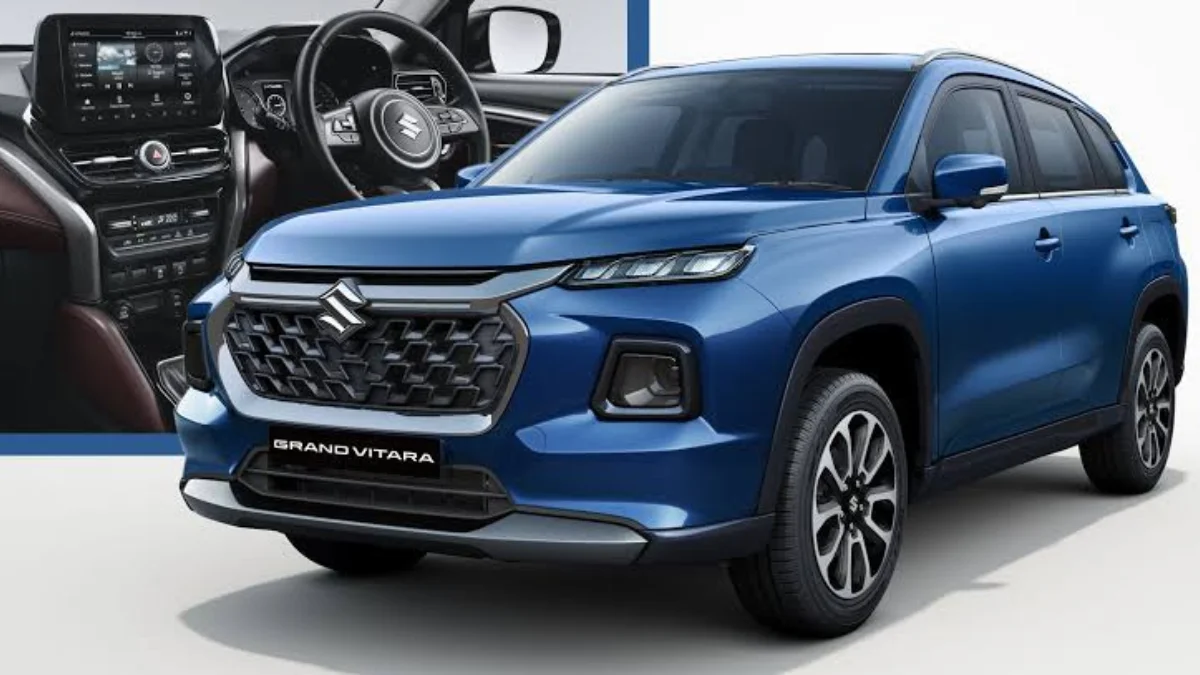
Suzuki has revealed a major technology roadmap for the next decade, outlining how it plans to develop its future cars around lower energy consumption, improved efficiency and market-specific powertrain choices. The strategy covers hybrid technology, new turbocharged engines, CNG and CBG, plug-in hybrids, range-extender EVs and battery-electric vehicles.
The company calls this approach “Just-Right” technology, meaning future vehicles will be developed according to the needs, infrastructure and energy conditions of individual markets rather than following a single global powertrain strategy.
For India, the announcement is particularly important because Suzuki plans to make the country an even larger manufacturing and export hub while continuing to develop technologies specifically suited to the Indian market.
Suzuki Will Continue With Multiple Powertrain Options
Suzuki is not planning to move exclusively towards electric cars. Instead, its new strategy follows a multi-pathway approach, with different technologies being used depending on the vehicle segment and local market requirements.
Future Suzuki products are expected to combine efficient internal-combustion engines with various forms of electrification. These include mild and strong hybrids, plug-in hybrids, series-hybrid systems, range-extender EVs and battery-electric vehicles.
The company says this approach is designed to reduce energy consumption while still providing customers with technologies that suit their local infrastructure and driving requirements.
New Suzuki Hybrid Technology Is on the Way
Hybrid technology will remain a major part of Suzuki’s future portfolio. The company is developing new systems including series hybrid technology and a new hybrid system currently referred to as Super Ene Charge.
Suzuki is also working on new e-Axle technology, which combines the electric motor, power electronics and transmission into a single unit. According to the company’s strategy, this packaging can help reduce energy losses and improve space utilisation.
An e-4WD system is also being developed for vehicles across A, B, C and D segments, potentially allowing future SUVs and passenger cars to combine electrified drivetrains with all-wheel-drive capability.
Better Turbo-Petrol Engines for Future Cars
One of the most important developments for markets such as India will be Suzuki’s next-generation direct-injection turbocharged petrol engines.
The company has confirmed that it is developing new direct-injection turbo engines as part of its Right × Light Mobile Tech strategy. Suzuki is also targeting substantially improved thermal efficiency from its future engine technology.
This means petrol engines are not being abandoned. Instead, Suzuki is looking to make them smaller, more efficient and better integrated with electrification where appropriate.
For India, this could eventually translate into new turbo-petrol engines across SUVs and other higher-demand segments.
CNG and CBG Will Remain Important in India
Suzuki is also continuing to invest in gas-based powertrains. CNG already plays an important role in Maruti Suzuki’s Indian portfolio, and the company’s latest strategy indicates that this technology will continue alongside electrification.
Suzuki is also developing CBG, or compressed biogas, as part of a broader resource-circulation strategy. Its third biogas plant in India began operations in August 2026, using biogas derived from cow dung as a fuel source while returning organic fertiliser to local communities.
This approach allows Suzuki to connect its existing CNG vehicle technology with locally produced renewable fuel.
Plug-In Hybrids and Range-Extender EVs Are Also Planned
Suzuki’s future electrification strategy will extend beyond conventional strong hybrids.
The company has outlined plans involving next-generation plug-in hybrid technology as well as range-extender EVs (REEVs). These systems can combine electric driving with an engine that provides energy for the battery or electric drivetrain.
This gives Suzuki another way to reduce fuel consumption while addressing situations where charging infrastructure is not yet sufficient for a complete transition to battery-electric vehicles.
Suzuki Is Working on Lighter Cars
Reducing vehicle weight is another major part of the company’s strategy.
Suzuki has identified a path toward reducing vehicle weight by around 100kg by 2030, with studies also looking at reductions of up to 120kg. The objective is to lower energy consumption while continuing to meet increasingly demanding safety requirements.
The company is developing its S Light technology as part of this effort, focusing on lightweight structures and reduced material usage without compromising essential safety.
A lighter vehicle requires less energy to move, which can benefit petrol, hybrid and electric powertrains alike.
India Becomes a Bigger Part of Suzuki’s Global Plan
India will play an increasingly important role in Suzuki’s next decade. The company plans to strengthen the country as a manufacturing and export hub, with a target of approximately 4 million units of annual production capacity from fiscal 2030 onward.
This could have a major impact on future Maruti Suzuki products. Technologies initially developed for Suzuki’s global markets can be adapted for India, while India-developed products and manufacturing capabilities can also support exports.
Suzuki says its development and manufacturing processes will become more integrated, with greater use of digital engineering and modularisation.
Faster Development of New Suzuki Cars
Suzuki also wants to significantly reduce the time required to develop new vehicles.
By 2030, the company aims to halve new-vehicle development lead time, improve development efficiency by 30 percent and improve manufacturing efficiency by 50 percent.
The company plans to achieve this through concurrent development, digital engineering and greater modularisation across engineering and manufacturing.
For customers, this could eventually mean new technologies and updated models reaching showrooms more quickly.
Electric Cars Will Still Be Part of the Future
Although Suzuki is continuing to invest heavily in combustion engines and hybrids, battery-electric vehicles remain an important part of the roadmap.
The company’s e SKY technology is being developed to improve electric driving efficiency and range. Suzuki’s multi-pathway strategy means EVs will be offered where they make sense based on local energy infrastructure, regulations and customer requirements.
India’s Maruti Suzuki e VITARA is already an example of this electric direction, while future EVs are expected to use technologies developed under Suzuki’s broader global strategy.
What This Means for Future Maruti Suzuki Cars
The new roadmap could eventually bring significant changes to Maruti Suzuki’s Indian lineup.
Future models could receive more efficient naturally aspirated engines, new direct-injection turbo-petrol engines, improved CNG systems, stronger hybrid technology and eventually plug-in hybrid or range-extender powertrains.
The company is also working on software-defined vehicle technology, referred to as SDV Lite, which should allow future cars to offer more connected and electronically controlled functions without necessarily adding excessive hardware complexity.
Market Positioning
Suzuki’s technology strategy shows that the company is not placing all its resources behind a single powertrain. Instead, it is preparing multiple technologies for different markets and vehicle segments.
For India, the combination of CNG, hybrid technology, efficient petrol engines and EVs could allow Maruti Suzuki to maintain a broad portfolio while responding to changing emissions regulations and customer preferences.
The stronger manufacturing role planned for India could also make the country increasingly important to Suzuki’s global product strategy.
AutoXRoom Verdict
Suzuki’s new technology roadmap points towards a very different generation of cars over the next decade. The company is preparing hybrids, turbo-petrol engines, CNG and CBG technology, plug-in hybrids, range-extender EVs and battery-electric vehicles rather than relying on one solution.
The biggest development for India could be the combination of Suzuki’s new efficient powertrains with its expanding Indian manufacturing base. With a target of around 4 million units of annual production capacity from fiscal 2030, India is set to become an even more important part of Suzuki’s global future.