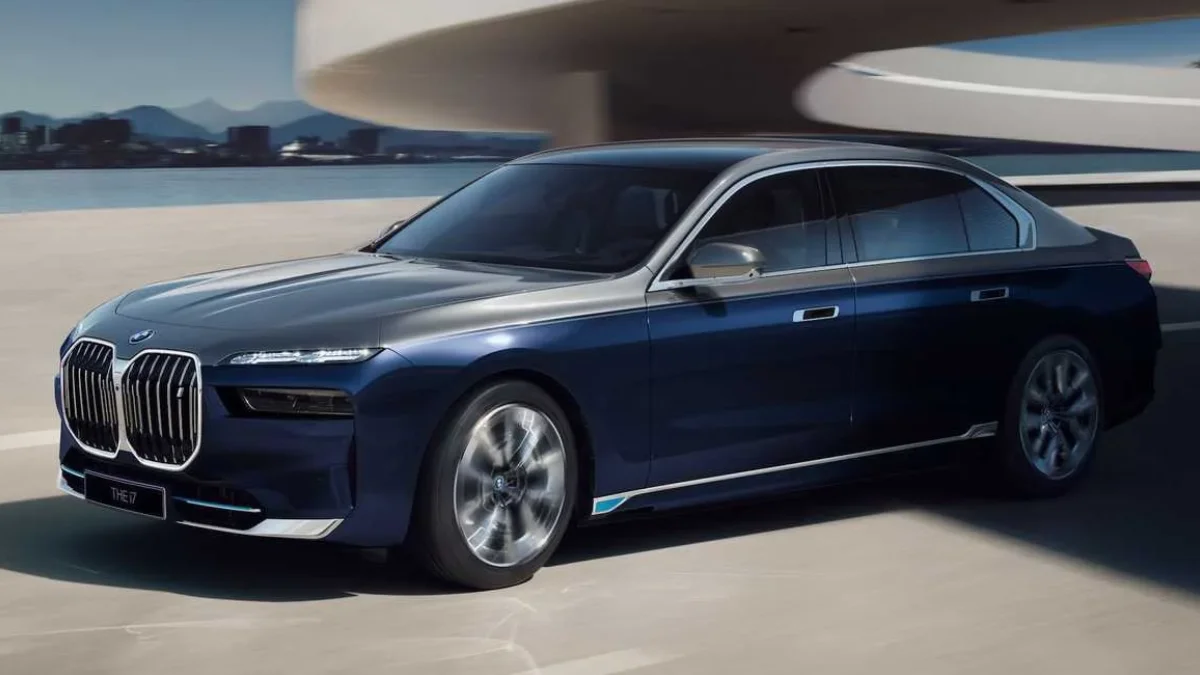
The BMW 7 Series 2026 has been launched in India at an introductory price of ₹1.95 crore (ex-showroom), bringing updated styling, a redesigned cabin and upgraded technology to BMW’s flagship luxury sedan. The latest facelift introduces a more powerful petrol engine, a modern digital interface and additional luxury features designed to enhance both driving pleasure and rear-seat comfort.
The updated sedan is available in the BMW 740 M Sport variant, powered by a 3.0-litre, six-cylinder turbo-petrol engine paired with a 48-volt mild-hybrid system. BMW has also updated its all-electric sibling, the i7, which is offered separately in multiple configurations. The new 7 Series continues to compete with premium luxury sedans such as the Mercedes-Benz S-Class.
BMW 7 Series 2026 Price in India
BMW has launched the facelifted 7 Series in India with a starting ex-showroom price of ₹1.95 crore. The petrol-powered 740 M Sport is the sole internal-combustion variant in the Indian lineup.
| Details | BMW 7 Series 2026 |
|---|---|
| Starting price | ₹1.95 crore |
| Variant | 740 M Sport |
| Engine | 3.0-litre, six-cylinder turbo-petrol |
| Electrification | 48V mild-hybrid system |
| Transmission | 8-speed automatic |
| Drivetrain | Rear-wheel drive |
| Assembly | Chennai, India |
The new model costs more than the outgoing version but brings substantial design and technology updates. Buyers should check with authorised BMW dealerships for the latest on-road price, insurance, registration charges and available customisation options.
Exterior Design: A More Distinctive Luxury Sedan
The new BMW 7 Series receives a refreshed exterior that gives the flagship sedan a more modern and commanding road presence. The front features a prominent kidney grille with BMW Iconic Glow illumination, complemented by redesigned lighting elements.
BMW Individual crystal headlights with integrated diamond-cut glass elements add a distinctive appearance, particularly at night. The updated front fascia creates a cleaner visual identity while retaining the large proportions expected of a flagship luxury car.
The long bonnet, extended wheelbase and elegant side profile reinforce the sedan’s executive character. At the rear, revised lighting and sculpted bodywork maintain a premium appearance without compromising the car’s recognisable design.
The BMW 7 Series measures approximately 5,395 mm in length and has a 3,215 mm wheelbase. Its large dimensions help provide generous cabin space, particularly for passengers travelling in the second row.
Interior and Technology Features
The cabin is one of the biggest highlights of the BMW 7 Series 2026 facelift. BMW has introduced an updated digital environment featuring newer software and a redesigned interface, while continuing to focus on premium materials, ambient lighting and rear-seat entertainment.
The central infotainment system features a 17.9-inch touchscreen, accompanied by a 14.6-inch passenger display. BMW’s Panoramic Vision display stretches across the dashboard area, presenting key driving information in the driver’s field of view.
Other notable features include a 31.3-inch 8K BMW Theatre Screen for rear passengers, a 35-speaker Bowers & Wilkins sound system, a panoramic glass roof and four-zone automatic climate control.
The rear cabin is designed to function as a private lounge, with powered seating, heating, ventilation and massage functions. Powered leg rests and touchscreen controls integrated into the rear doors further enhance passenger convenience.
These features make the 7 Series particularly appealing to owners who prefer being chauffeured, although the sedan also offers strong performance for those who enjoy driving themselves.
BMW 7 Series Engine and Performance
The updated BMW 7 Series is powered by a 3.0-litre, six-cylinder turbo-petrol engine paired with a 48-volt mild-hybrid system. The electrification system supports efficiency and smoother power delivery, while the petrol engine provides the performance expected from a flagship BMW sedan.
| Specification | BMW 740 M Sport |
|---|---|
| Engine | 3.0-litre, six-cylinder turbo-petrol |
| Maximum power | 400 hp |
| Maximum torque | 540 Nm |
| Mild-hybrid system | 48V |
| Transmission | 8-speed automatic |
| Drivetrain | Rear-wheel drive |
| 0–100 km/h | 5.4 seconds |
| Top speed | 250 km/h |
The engine produces 400 hp and 540 Nm of torque, with power delivered to the rear wheels through an eight-speed automatic transmission. BMW claims a 0–100 km/h acceleration time of 5.4 seconds and a top speed of 250 km/h.
The combination of a six-cylinder engine, mild-hybrid assistance and automatic transmission is designed to deliver effortless acceleration alongside refined highway cruising.
Ride Comfort and Driving Dynamics
Despite its size, the BMW 7 Series is engineered to offer a comfortable and controlled driving experience. Adaptive two-axle air suspension adjusts to road conditions, helping reduce the impact of uneven surfaces while maintaining stability.
Integral Active Steering uses rear-wheel steering to improve manoeuvrability at lower speeds and stability at higher speeds. This can make parking and navigating tighter urban roads easier for a sedan of this size.
The car also offers selectable driving modes that adjust vehicle responses to suit different requirements, from comfort-focused journeys to more dynamic driving.
Together, these systems help balance rear-seat comfort with the engaging driving characteristics associated with BMW.
Safety and Driver Assistance
The BMW 7 Series 2026 includes a comprehensive range of driver-assistance and parking technologies. Its equipment includes Level 2 advanced driver-assistance systems, lane-keeping assistance, emergency braking support and parking assistance with a 360-degree camera.
The sedan also features multiple sensors and assistance systems designed to improve driver awareness and make manoeuvring easier. Exact functions and availability may depend on the final India-specification equipment package.
These technologies complement the car’s luxury positioning by helping reduce the effort involved in everyday driving.
BMW 7 Series vs Mercedes-Benz S-Class
The Mercedes-Benz S-Class remains one of the BMW 7 Series’ closest competitors in India. Both sedans prioritise luxury, advanced technology, rear-seat comfort and smooth performance, but they offer different interpretations of the premium executive-car experience.
The BMW stands out with its prominent exterior design, driver-focused engineering and expansive digital displays. Its 400 hp petrol powertrain and rear-wheel-drive layout also appeal to buyers who want a combination of chauffeur-oriented luxury and strong driving performance.
The S-Class offers its own luxury-focused cabin and powertrain options. Buyers comparing the two should consider rear-seat comfort, engine preferences, available equipment, after-sales support and final on-road pricing before making a decision.
Market Positioning: BMW’s Flagship for Luxury and Technology
The BMW 7 Series 2026 occupies the top end of BMW’s passenger-car range in India. With a starting price of ₹1.95 crore, it targets business leaders, luxury-car enthusiasts and buyers seeking a premium executive sedan with advanced technology.
The updated styling, 400 hp mild-hybrid petrol engine and extensive rear-seat entertainment package give it a strong position in the flagship luxury segment. The availability of the all-electric BMW i7 also allows buyers to consider an electric alternative within the same family.
AutoXRoom Verdict: A Technology-Rich Flagship with Strong Performance
The new BMW 7 Series combines a powerful six-cylinder petrol engine with a spacious cabin and a long list of luxury features. Its 31.3-inch 8K Theatre Screen, Bowers & Wilkins audio system, adaptive air suspension and rear-wheel steering help make it a compelling choice for buyers who value comfort and technology.
At ₹1.95 crore ex-showroom, it remains a significant investment, but the facelift brings meaningful upgrades to BMW’s flagship sedan. For buyers choosing between the BMW 7 Series and the Mercedes-Benz S-Class, the final decision will depend on styling preferences, cabin experience and the kind of driving character they want from a luxury car.