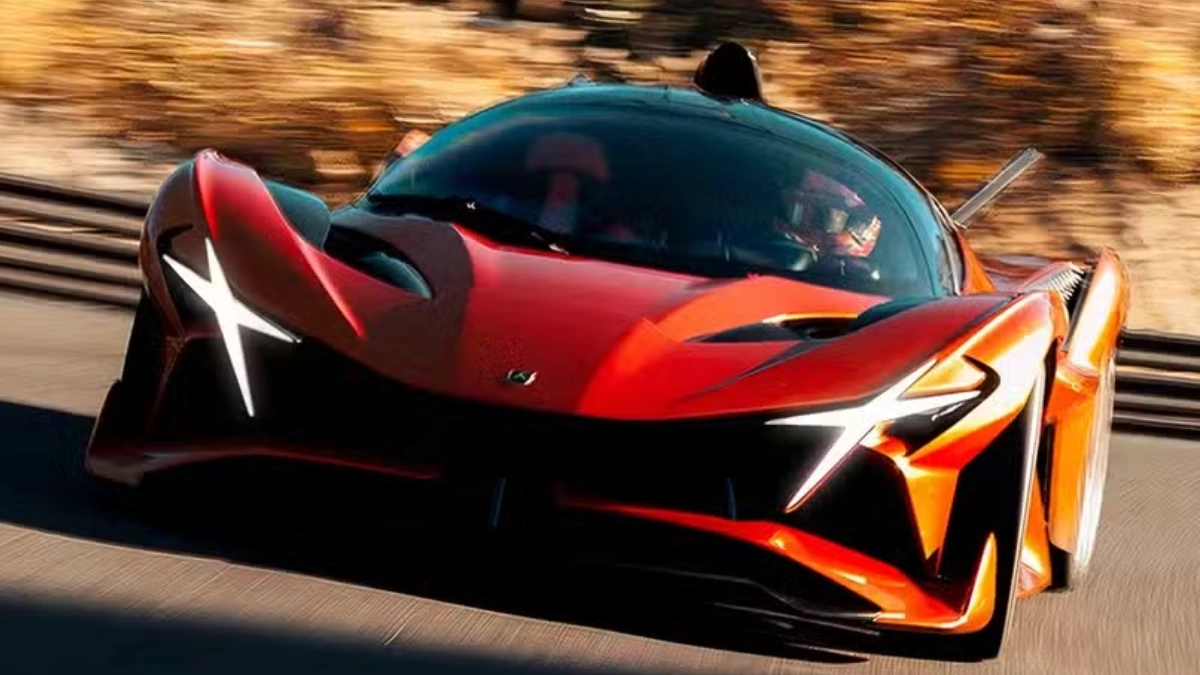
The future of high-performance cars may look surprisingly different from what the industry predicted a decade ago. Instead of chasing endless horsepower, faster acceleration, and increasingly digital interiors, a new generation of supercars is bringing the focus back to driver involvement, mechanical feedback, and emotional performance.
This emerging analogue movement is not simply nostalgia. As electric cars make extreme acceleration easier to achieve, manufacturers are discovering that true exclusivity can come from making the driver feel more connected to the machine.
Why Supercar Performance Is Moving Beyond Numbers
For years, supercar development revolved around bigger engines, quicker transmissions, higher top speeds, and faster 0–60 mph times. But modern electric powertrains have changed that equation.
When performance-oriented electric cars can deliver breathtaking acceleration without requiring complex driving techniques, straight-line speed becomes less special. This is encouraging enthusiasts to look for something technology cannot easily reproduce: the sensation of controlling a mechanical machine.
This changing philosophy could influence everything from Future Cars 2026 to the high-performance vehicles expected later this decade.
The Return of the Manual Gearbox
One of the clearest signs of the analogue movement is the renewed interest in manual transmissions. The traditional six-speed gearbox gives drivers direct control over gear changes, engine response, and acceleration.
Modern supercars could increasingly treat manual transmissions as a luxury feature rather than an outdated technology. For collectors, the ability to select gears manually can make a car feel more personal and exclusive.
The trend also connects with the wider discussion surrounding Future Cars 2027, where manufacturers are expected to balance electrification with increasingly specialised enthusiast-focused models.
Mechanical Feel Is Becoming the New Luxury
The next generation of expensive performance cars may not be defined entirely by massive screens and software-driven controls. Instead, manufacturers are experimenting with tactile materials, physical switches, mechanical controls, and steering systems that provide genuine road feedback.
Hydraulic steering, metal controls, textured surfaces, and traditional instrumentation can create an experience that feels more authentic than a completely digital cockpit.
This approach could become particularly important as the industry develops Cars Of The Future 2030, when autonomous and electric technologies are expected to become even more advanced.
Supercars Are Rediscovering the Sound of the Engine
Engine character remains another major part of the analogue experience. A naturally aspirated or high-performance turbocharged engine provides changes in sound, vibration, throttle response, and power delivery that contribute to the emotional character of a car.
For enthusiasts, these sensations can be just as important as outright acceleration. A dramatic exhaust note and responsive throttle can make a slower car feel more exciting than a faster vehicle that delivers performance almost silently.
That emotional connection is one reason traditional combustion-powered cars could continue to appear alongside the Top 10 Supercars In The World, even as electrification expands across the industry.
Physical Controls Could Make a Comeback
The modern luxury-car cabin has increasingly become dominated by large touchscreens. While digital interfaces provide enormous functionality, they can also remove some of the tactile interaction that enthusiasts enjoy.
Future performance cars may therefore bring back physical buttons, knurled metal switches, rotary controllers, and dedicated driving controls.
The objective is not to reject technology completely. Instead, manufacturers can combine advanced digital systems with physical controls where they improve the driving experience.
The Analogue Rebellion Could Shape Future Performance Cars
The analogue movement could influence everything from limited-production supercars to enthusiast-focused models of the future. Rather than making every vehicle faster and more automated, manufacturers may create special cars specifically designed to give drivers more responsibility.
This could mean manual transmissions, rear-wheel-drive layouts, lightweight construction, hydraulic steering, naturally expressive engines, and minimal digital interference.
As discussions around Future Cars 2040 and even more distant automotive concepts continue, the irony is that some of the most desirable vehicles may deliberately preserve technologies that appear old-fashioned.
Why Analogue Could Become More Exclusive
Analogue technology is becoming increasingly rare, and rarity creates value. A manual gearbox, naturally responsive steering system, physical controls, and combustion engine may eventually become characteristics reserved for limited-production enthusiast cars.
Meanwhile, mainstream vehicles can continue becoming more electric, connected, automated, and software-driven.
That could create an unusual situation where the most advanced everyday cars are highly digital, while the most expensive collector cars deliberately celebrate mechanical simplicity.
A Different Vision of the Future
The automotive future does not necessarily have to be completely digital. Electric powertrains, advanced driver assistance, connected technology, and autonomous systems will continue transforming the industry, but enthusiast cars can follow a different path.
The most desirable performance cars of tomorrow may be designed around the experience of driving rather than simply proving how quickly they can accelerate.
Even futuristic concepts imagined as Future Cars 3000 may eventually remind us that automotive excitement is not only about technology. Sometimes, the most valuable feature is simply giving the driver something meaningful to do.
Market Positioning
The analogue supercar movement is creating a specialised space within the performance-car market. These vehicles are likely to appeal primarily to collectors, driving enthusiasts, and buyers who value exclusivity and emotional engagement over pure performance statistics.
As electrification continues to dominate mainstream performance development, analogue-focused supercars could become increasingly rare and desirable. Their appeal will come from the combination of limited availability, mechanical character, and a driving experience that cannot easily be replicated through software.
AutoXRoom Verdict
The future of supercars may not be as digital as many expected. While electric technology will continue pushing performance boundaries, the growing demand for manual transmissions, physical controls, mechanical feedback, and emotional engine character shows that drivers still want a connection with the machine.
The next era of performance could therefore create an unusual balance: technologically advanced cars for everyday mobility and highly analogue machines for pure driving pleasure. In that world, the ultimate luxury may not be having more technology, but having the freedom to control the car yourself.