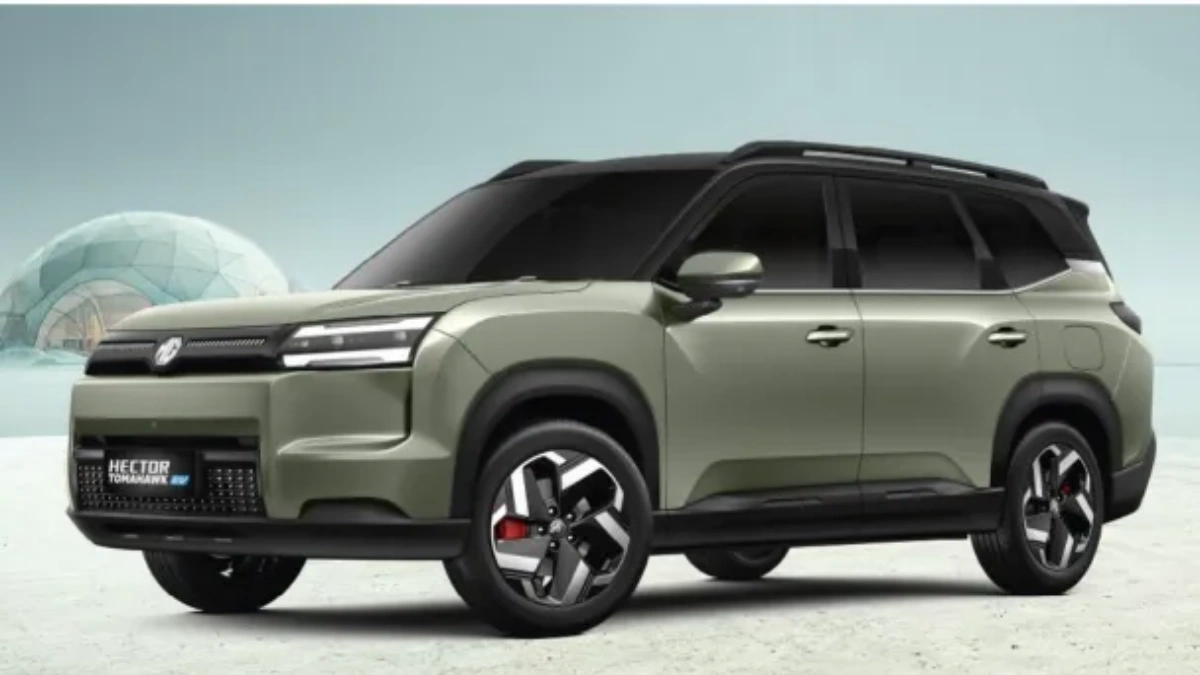
The arrival of the MG Hector Tomahawk PHEV and the upcoming Kia Sorento Hybrid is creating a fresh competition in India’s premium three-row SUV segment. Both models focus on electrified performance, family-friendly space, and premium technology while offering an alternative to conventional diesel-powered SUVs.
Two Electrified SUVs Enter the Premium Segment
The MG Tomahawk PHEV takes a plug-in hybrid approach, combining a petrol engine with electric motors and a battery that can be charged externally. The Kia Sorento Hybrid, meanwhile, uses a self-charging hybrid system designed to combine petrol and electric power without requiring regular plug-in charging.
The MG model is offered with a seven-seat configuration, while the Sorento follows a three-row layout aimed at larger families.
MG Tomahawk PHEV Focuses on Electric Driving
One of the biggest highlights of the MG Hector PHEV is its ability to operate on electric power for daily journeys before the petrol engine takes over. The SUV is claimed to offer up to 115 km of pure-electric driving, while its overall combined range is expected to exceed 1,100 km.
Another major advantage is DC fast-charging support, giving the PHEV greater flexibility compared with conventional strong-hybrid SUVs.
Kia Sorento Hybrid Takes a Premium Approach
The Kia Sorento Hybrid is expected to target buyers seeking a larger and more premium three-row SUV. Its strong-hybrid powertrain is designed to deliver improved efficiency while maintaining the convenience of a self-charging system.
An available four-wheel-drive configuration could further strengthen its appeal for customers looking for additional traction and long-distance capability.
Pricing Creates a Major Difference
The Mg Tomahawk Phev Price is positioned aggressively, with the model launched at around ₹25.80 lakh to ₹27.80 lakh. This places it closer to mainstream premium SUVs while giving buyers access to plug-in hybrid technology.
The Kia Sorento Hybrid is expected to sit higher in the market, with estimated pricing potentially ranging between ₹30 lakh and ₹40 lakh depending on the final variant and equipment.
PHEV vs Strong Hybrid Technology
The biggest difference between these two SUVs comes from their electrification technology. The MG uses a plug-in hybrid system that allows drivers to charge the battery and complete shorter trips using electric power alone.
The Sorento Hybrid uses a conventional self-charging setup where regenerative braking and the petrol engine help maintain battery charge. This makes it simpler for buyers who do not want to depend on external charging infrastructure.
A New Alternative to Diesel SUVs
Both SUVs could appeal to customers moving away from traditional diesel-powered vehicles. Their electrified powertrains aim to combine strong performance with improved efficiency while reducing dependence on diesel technology.
The MG’s longer electric-only capability could appeal particularly to urban users, whereas the Kia’s premium positioning and three-row practicality may attract buyers planning frequent highway journeys.
Technology and Family-Focused Features
The two models are expected to compete strongly through their technology, comfort, and driver-assistance equipment. Premium cabins, connected features, advanced infotainment systems, and ADAS technologies will be important factors as buyers compare the two SUVs.
For family users, three-row seating and everyday practicality will remain equally important alongside powertrain technology.
Market Positioning
The MG Hector Tomahawk PHEV and Kia Sorento Hybrid represent two different approaches to India’s growing electrified SUV market. MG is focusing on plug-in capability, strong electric driving potential, and aggressive pricing, while Kia is positioning the Sorento as a more premium three-row hybrid SUV with advanced technology and available four-wheel drive.
AutoXRoom Verdict
The new competition between the MG Hector Tomahawk PHEV and Kia Sorento Hybrid could give premium SUV buyers more choice than ever before. The MG stands out with its plug-in hybrid technology and electric-only capability, while the Kia aims to attract customers with premium positioning, spacious three-row practicality, and hybrid convenience.