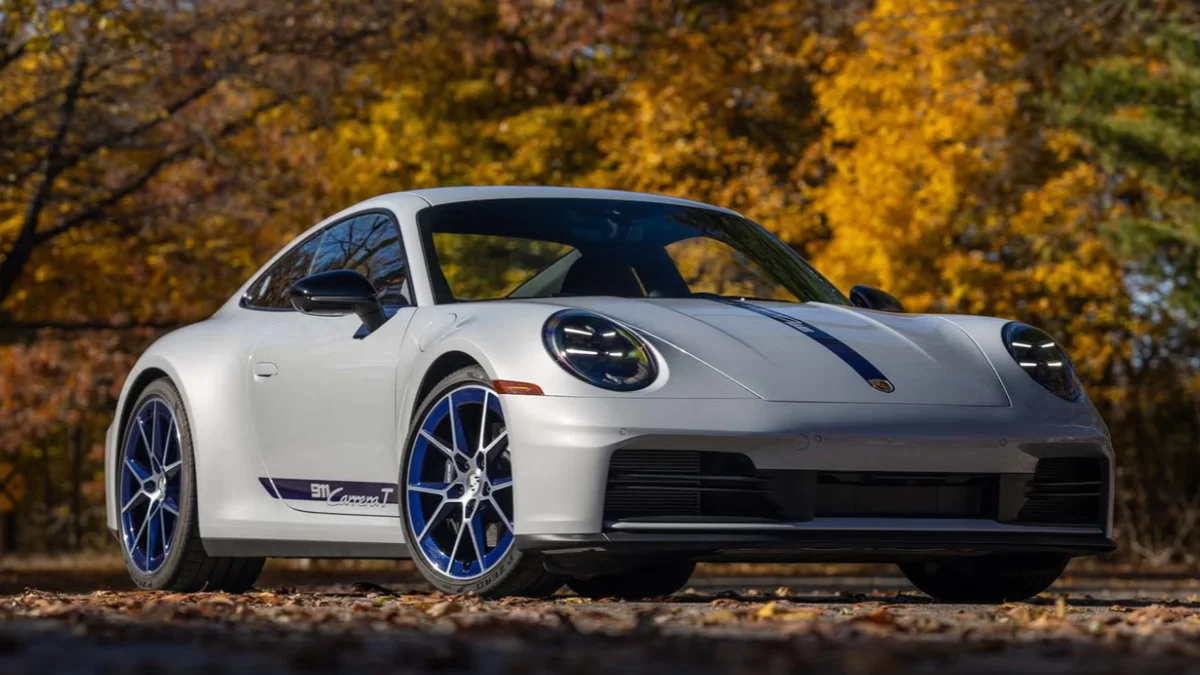
Porsche sales in 2026 have come under pressure, even as demand for the iconic 911 sports car continues to grow. The German luxury carmaker delivered 178,532 vehicles globally during the first nine months of the year, compared with 212,509 units in the same period of 2025.
The decline highlights the challenges facing Porsche across major markets, particularly China. At the same time, the 911 has emerged as a bright spot, while the Cayenne remains the company’s best-selling model line worldwide. Porsche is now focusing more strongly on exclusive models, customer personalisation and long-term brand value rather than chasing higher sales volumes.
Porsche Global Sales January–September 2026
Porsche’s worldwide deliveries fell by 16% during the first nine months of 2026. The decline reflects a combination of challenging market conditions, weaker demand in China, the end of production of the 718 model line and the comparison with strong demand for the electric Macan in the previous year.
Despite the overall slowdown, the 911 recorded higher deliveries, showing that demand remains strong for Porsche’s established sports car range.
| Porsche Model | Deliveries in 2026 | Year-on-Year Change |
|---|---|---|
| Porsche Cayenne | 59,586 | -2% |
| Porsche Macan | 51,025 | -21% |
| Porsche 911 | 42,217 | +12% |
| Porsche Panamera | 13,714 | -35% |
| Porsche Taycan | 8,699 | -31% |
| Porsche 718 Boxster and Cayman | 3,291 | -79% |
| Total worldwide | 178,532 | -16% |
Figures cover January to September 2026 and are based on Porsche’s reported customer deliveries.
Porsche 911 Sales Rise 12% Despite Market Challenges
The Porsche 911 was the strongest performer in the company’s lineup during the first nine months of 2026. Deliveries increased 12% year-on-year to 42,217 units, making it the only model line in the reported group to record growth.
The results suggest that customers continue to value the 911’s distinctive sports-car character, performance and premium appeal despite the wider slowdown in luxury-car demand.
Porsche also reported strong interest in high-performance and exclusive derivatives, including GTS, Turbo and GT models. This supports the company’s strategy of focusing on desirable, higher-value vehicles rather than relying exclusively on overall sales growth.
Porsche Cayenne Remains the Best-Selling Model
The Porsche Cayenne remained the company’s global sales leader, with 59,586 deliveries during the first nine months of 2026. Although sales declined by 2% compared with the previous year, the model continued to account for the largest share of Porsche’s deliveries.
The all-electric Cayenne is also beginning to contribute to the model line’s performance. Porsche reported 7,002 customer deliveries of the electric version since its market launch in summer 2026.
The Cayenne’s continued popularity highlights the importance of SUVs to Porsche’s business, even as the brand maintains its sports-car heritage.
Porsche Macan, Panamera and Taycan Sales Decline
The Porsche Macan recorded 51,025 deliveries, down 21% year-on-year. This total includes 23,029 electric Macans and 27,996 combustion-engine Macans. Production of the petrol-powered Macan ended in summer 2026, creating a transition in the model lineup.
The Porsche Panamera saw deliveries fall 35% to 13,714 units, while the Porsche Taycan recorded 8,699 deliveries, a decline of 31%.
The 718 Boxster and Cayman line experienced the sharpest percentage decline, with deliveries falling 79% to 3,291 units. Production of this model line ended in October 2025, so its remaining deliveries reflect the transition following the end of production.
China Becomes Porsche’s Biggest Sales Challenge
China was Porsche’s most challenging major market during the first nine months of 2026. The company delivered 21,493 vehicles there, compared with 32,195 in the same period last year, representing a 33% decline.
The result reflects difficult market conditions and intensifying competition in China’s premium-car segment. Porsche has said it is prioritising the long-term development of its brand in the country rather than pursuing short-term delivery targets.
The decline is significant because China has historically been an important market for luxury vehicles. Lower deliveries there have contributed to the pressure on Porsche’s overall global performance.
Porsche Sales Across Other Global Markets
The slowdown was not limited to China. Porsche reported lower deliveries across its other major regions as well.
| Region | Deliveries in 2026 | Year-on-Year Change |
|---|---|---|
| North America | 56,088 | -13% |
| Europe excluding Germany | 44,949 | -11% |
| Germany | 20,954 | -7% |
| Overseas and emerging markets | 35,048 | -19% |
| China | 21,493 | -33% |
Regional deliveries cover January–September 2026.
North America remained Porsche’s largest sales region by volume, despite a 13% decline. Deliveries also weakened in Europe, Germany and overseas markets, indicating that the company’s challenges extend beyond China.
Porsche Focuses on Value Over Volume
Porsche is responding to the market environment by prioritising profitability, exclusivity and customer demand over simply increasing the number of vehicles sold.
The strategy places greater emphasis on high-performance derivatives, desirable sports cars and personalisation options. Porsche has also outlined plans to streamline its model variants and improve its financial performance through a more focused product portfolio.
This approach reflects the company’s view that maintaining brand appeal and balancing supply with demand are important in the luxury-car market. The continued growth of the 911 suggests that its most distinctive sports cars remain an important part of this strategy.
Market Positioning
Porsche’s 2026 sales performance presents a mixed picture. The Cayenne remains its biggest model line, and the 911 continues to attract more buyers, but declining deliveries across several other models and regions are weighing on the overall result.
The sharp fall in China is especially important, while the end of production of the 718 range and petrol Macan adds further complexity to the transition. Porsche’s emphasis on premium derivatives and customer personalisation is intended to protect the brand’s long-term value in a challenging market.
AutoXRoom Verdict
The Porsche 2026 sales report shows that even an established luxury sports-car brand is facing significant market pressure. Global deliveries fell 16%, with China down 33%, while the Macan, Panamera and Taycan also recorded declines.
However, the 911’s 12% growth and the Cayenne’s continued position as Porsche’s best-selling model demonstrate that demand remains strong for key products.
Porsche’s decision to prioritise value over volume could help it protect exclusivity and focus on higher-value vehicles. Its next challenge will be to stabilise deliveries across major markets while ensuring that its changing powertrain lineup continues to meet customer expectations.