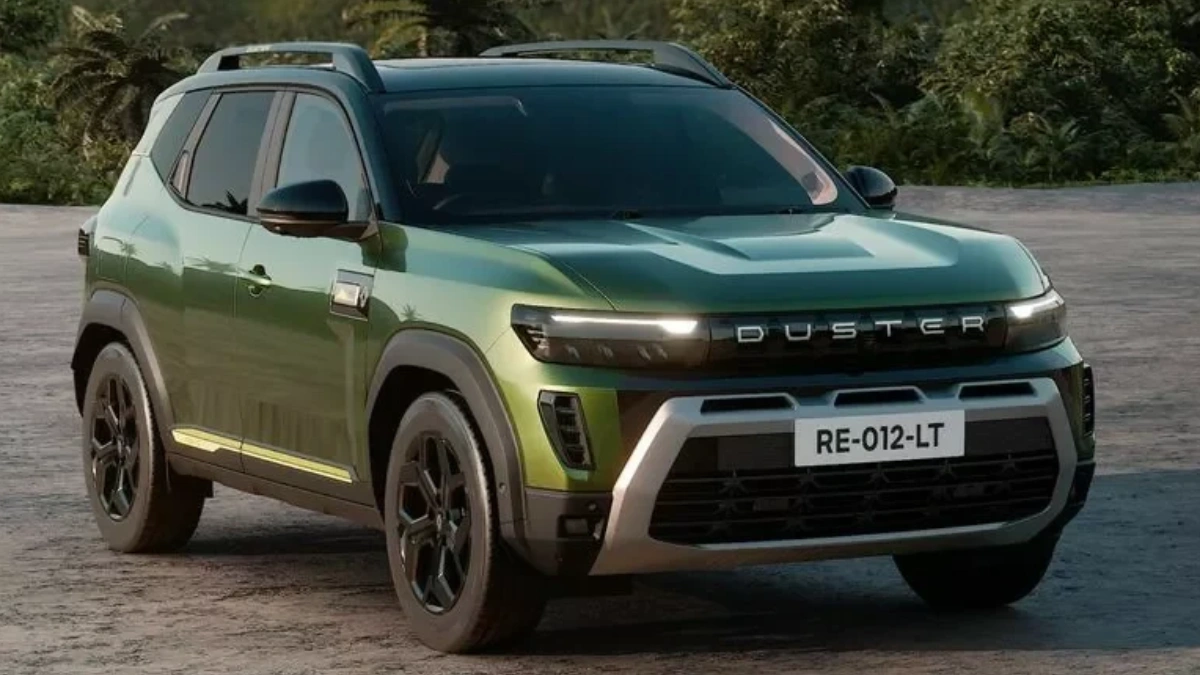
The Renault Duster has returned to the Indian market with a modern platform, strong turbo-petrol performance, and the rugged character that made the nameplate popular. However, its biggest challenge is coming from an unexpected direction: its own platform sibling, the Nissan Tekton. The two SUVs share the CMF-B architecture and similar mechanical foundations, but Nissan has managed to create a stronger initial impact with its bold styling and more premium cabin.
The sales gap between the two models has also highlighted the growing challenge for Renault. Nissan Tekton has recorded significantly higher initial volumes, putting additional pressure on Renault to differentiate the Duster and strengthen its appeal among mid-size SUV buyers.
Renault Duster Strengths That Still Matter
The Duster continues to benefit from strong brand recognition and an established reputation for excellent ride quality. Its chassis is tuned to handle broken roads confidently, making it particularly appealing to buyers who prioritize driving dynamics over excessive luxury.
Its 1.3-litre turbo-petrol engine produces 160 bhp and 280 Nm of torque, giving the SUV strong performance for highway driving and overtaking. The Nissan Tekton India SUV may have a newer visual identity, but the Duster retains an advantage in terms of its established driving character.
Another major advantage is its 212 mm ground clearance, which gives the Duster a strong stance on rough roads and uneven terrain.
Where the Duster Falls Behind
The biggest weakness is the growing sales pressure from the Nissan Tekton. The Duster’s monthly volumes have fallen sharply, showing that the refreshed model has not yet generated the expected level of showroom demand.
The lack of diesel, AWD, and a strong-hybrid option at launch also limits the number of buyers it can attract. This becomes more important as customers increasingly look for fuel efficiency and multiple powertrain choices.
The cabin is another area where Nissan has created a stronger impression. Compared with the Tekton’s more premium design and richer detailing, the Duster’s interior feels more focused on practicality.
Nissan Tekton Creates a New Challenge
The Nissan Tekton has effectively taken the same technical foundation and wrapped it in a more aggressive design. Its Patrol-inspired styling gives it a stronger road presence, while the premium cabin helps distinguish it from the Duster.
For buyers researching Nissan Tekton Latest News, the model’s early sales performance is particularly important because it demonstrates how design, equipment, and brand positioning can influence buyers even when two vehicles share significant mechanical similarities.
Nissan has also focused heavily on connected technology and cabin presentation, giving the Tekton a more upmarket personality.
Future Opportunities for Renault Duster
Renault still has several opportunities to strengthen the Duster. The upcoming 1.8-litre strong-hybrid powertrain could become one of its biggest differentiators. If introduced with competitive efficiency and pricing, it could help the Duster attract buyers who prioritize lower running costs.
Renault can also improve its dealership and service network to build stronger customer confidence. Expanding its presence across more Indian cities would make the Duster easier to purchase and maintain.
The upcoming three-row Boreal SUV could further strengthen Renault’s position in the family SUV market while allowing the Duster to focus more clearly on five-seat buyers.
Nissan Tekton vs Renault Duster: Key Differences
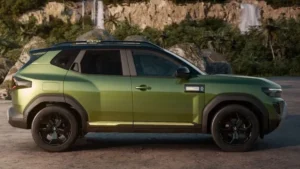
The Nissan Tekton Vs Renault Duster Dimensions are closely related because both vehicles use the same underlying platform and have similar overall proportions. However, their design philosophies are noticeably different.
The Duster follows a modern interpretation of its rugged SUV identity, while the Tekton adopts a much more aggressive and premium appearance. Inside, the Duster emphasizes practicality, whereas the Tekton focuses more strongly on premium finishes and technology.
The Duster’s upcoming hybrid technology could eventually give it a powertrain advantage, while the Tekton currently relies on turbo-petrol configurations.
What Nissan Tekton Means for Renault
The biggest concern for Renault is internal competition. Instead of competing only against Hyundai Creta, Kia Seltos, and other established SUVs, the Duster now has to fight for attention against a closely related Nissan product.
The two models need clearly defined identities to avoid splitting the same customer base. Renault can position the Duster around driving dynamics, ruggedness, ride comfort, and future hybrid efficiency, while Nissan can continue targeting buyers who prefer bold styling and premium technology.
Strategic Outlook
The Nissan Tekton Review conversation will likely remain important as more buyers compare the two SUVs on styling, cabin quality, performance, technology, and ownership experience. Renault’s response will determine whether the Duster can regain momentum in the highly competitive mid-size SUV segment.
The Duster has a strong foundation, but it needs clearer differentiation. Its upcoming hybrid technology, stronger dealership network, and established reputation could become important tools in rebuilding demand.
Market Positioning
The Renault Duster remains positioned as a practical and performance-oriented mid-size SUV, while the Nissan Tekton takes a more premium and design-focused approach to the same market. This creates an unusual situation where two related SUVs are competing for attention while also challenging segment leaders such as the Hyundai Creta and Kia Seltos.
If Renault successfully highlights the Duster’s driving dynamics, rugged character, and future hybrid advantage, it can create a clear identity rather than competing directly with the Tekton on styling and cabin technology.
AutoXRoom Verdict
The Renault Duster’s biggest problem is not its mechanical package but its positioning. The SUV still offers strong performance, excellent ride quality, useful ground clearance, and a familiar nameplate. However, the Nissan Tekton has shown how quickly a sibling model can attract buyers with a more premium presentation and stronger visual identity.
Renault’s upcoming hybrid technology could provide the Duster with an important second opportunity. If the company combines that advantage with better differentiation and a stronger ownership network, the Duster can establish a more convincing position in India’s fiercely competitive mid-size SUV market.