
Tata Motors Passenger Vehicles and global automotive group Stellantis have signed a definitive agreement to expand their long-standing relationship into vehicle technology, engineering and product development. Under the partnership, vehicles developed through the collaboration will be manufactured in India for more than 50 international markets.
The agreement marks a significant step beyond their existing manufacturing relationship. By combining Tata Motors’ vehicle platforms and technology with Stellantis’ global engineering expertise, the companies aim to develop products suited to different customer needs and regulatory requirements worldwide. Production is planned at their joint-venture facility in Ranjangaon, Maharashtra.
Tata Motors–Stellantis Partnership: Key Highlights
| Detail | Information |
|---|---|
| Companies | Tata Motors Passenger Vehicles and Stellantis |
| Agreement | Technology and product development |
| Main focus | Vehicle architecture, engineering and product collaboration |
| Manufacturing location | Ranjangaon, Maharashtra |
| Planned export reach | More than 50 global markets |
| Existing relationship | Fiat India Automobiles joint venture |
| First product details | Not fully announced |
The expanded agreement is expected to help both companies make better use of their existing capabilities, manufacturing infrastructure and engineering resources. However, individual vehicle specifications, launch dates and market-wise product plans will depend on further announcements.
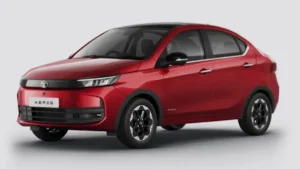
What Will Tata Motors and Stellantis Develop Together?
The collaboration will focus on combining Tata Motors’ vehicle architecture and technology with Stellantis’ international product development and engineering capabilities. This could help the companies develop vehicles more efficiently while adapting them for different markets.
The partnership may also support better localisation, shared engineering resources and improved manufacturing efficiency. For Stellantis, access to Tata Motors’ vehicle technologies could create additional options for developing products for international markets. Tata Motors, meanwhile, could benefit from the global reach and expertise of a major automotive group.
The companies have not disclosed every technical detail of the agreement, so specific engine-sharing plans, battery specifications and future model names should not be treated as confirmed unless officially announced.
Tata Sierra-Based Jeep SUV Could Be a Major Development
One of the most significant developments associated with the expanded partnership is a Jeep SUV based on Tata Motors’ ARGOS platform, which is also used for the new Tata Sierra. Automotive industry reports identify the project by the internal codename J1J.
The proposed SUV is expected to be developed for multiple markets, with internal-combustion and electric versions reported as possibilities. However, final specifications, production timing and the name of the vehicle will need confirmation from the companies.
If the project proceeds as reported, it could allow Stellantis to develop a Jeep model using an architecture with Indian engineering and manufacturing roots. The approach could help reduce development costs while retaining the design, driving characteristics and brand identity expected from a Jeep vehicle.
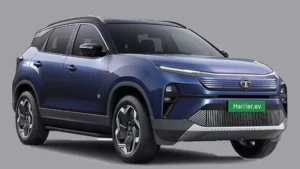
Ranjangaon Plant to Support Global Manufacturing
The Ranjangaon facility in Maharashtra is central to the companies’ existing manufacturing relationship. Their Fiat India Automobiles joint venture has supported production activities for both groups, giving the partnership an established manufacturing base.
Under the expanded collaboration, vehicles are planned to be manufactured in India for more than 50 global markets. This would reinforce India’s role not only as a major domestic automotive market but also as a manufacturing and export hub.
Export success will depend on meeting the safety, emissions, equipment and homologation requirements of each destination market. The manufacturing plan therefore represents an opportunity for greater international reach, rather than a guarantee that every future model will be sold in all 50-plus markets.
Why This Partnership Matters for India’s Auto Industry
The agreement highlights the growing importance of Indian automotive engineering in global product development. Instead of limiting cooperation to manufacturing or component supply, the companies are extending their relationship into vehicle architecture and technology.
For Tata Motors, international collaboration can create opportunities to expand the reach of its engineering capabilities. For Stellantis, it may provide access to locally developed technologies and a manufacturing base that can support export-focused products.
The partnership could also encourage more efficient vehicle development by allowing the companies to share selected resources. The actual benefits will depend on how the collaboration is implemented and which technologies and products eventually reach production.
Will the Partnership Lead to More Affordable Vehicles?
Shared platforms and engineering resources can potentially reduce development costs and improve manufacturing efficiency. These savings may help companies develop more competitively priced products, but lower prices are not guaranteed.
The final cost of a vehicle depends on its equipment, powertrain, materials, safety systems, production volumes and target market. Until the companies reveal specific models and pricing, it is too early to predict whether the partnership will result in cheaper Jeep vehicles or other products for Indian buyers.
Market Positioning
The Tata Motors–Stellantis agreement is strategically important because it extends cooperation from manufacturing into technology and product development. It also strengthens India’s position as a base for developing and producing vehicles intended for international markets.
The reported Jeep SUV project could become a visible outcome of the collaboration, but the broader agreement may support several areas of engineering and manufacturing over time.
AutoXRoom Verdict
The expanded Tata Motors and Stellantis partnership could prove significant for both companies. Tata Motors brings vehicle architecture and technology capabilities, while Stellantis contributes global engineering experience and access to international markets.
The plan to manufacture vehicles in India for more than 50 markets gives the agreement an export-focused dimension. The next major milestone will be the announcement of specific production models, confirmed specifications and launch timelines.
For now, the agreement signals a deeper strategic relationship rather than an immediate change to the existing Tata or Jeep showroom lineups. Its long-term impact will become clearer as the first jointly developed products move closer to production.